Former Governor of Anambra State and 2023 Labour Party presidential candidate, Mr. Peter Obi, has strongly condemned what he described as the “entrenched corruption” in Nigeria’s sports sector, saying it mirrors the deeper moral and administrative decay that continues to cripple the nation.
Reacting to recent revelations by FIFA on the alleged mismanagement of funds released to the Nigeria Football Federation (NFF) for stadium projects and youth development, Obi said the scandal is both “sickening and shameful,” reflecting the broader failure of leadership in the country.
“While we continue to grapple with insecurity, poverty, and rising unemployment among our youths, the most heartbreaking reality remains the entrenched corruption that permeates every facet of our nation—especially in the critical sectors that could help lift Nigeria in these challenging times,” Obi stated on his verified X (formerly Twitter) handle.
The former Governor recounted how, during his tenure in Anambra State, officials from the Sports Federation had informed him that Awka was among six locations approved for a FIFA-standard stadium to be fully funded by the global football body. According to him, his administration immediately provided land for the project, which was to be implemented through the Federal Ministry of Sports.
“That was the last we heard of it,” he recalled.
Believing the project was genuine, Obi said his government instead focused on building mini-stadiums across the state to promote grassroots sports, including the Chuba Ikpeazu Memorial Stadium and the Godwin Achebe Stadium in Onitsha. Years later, however, the promised FIFA stadium never materialized; a development Obi described as both disappointing and revealing.
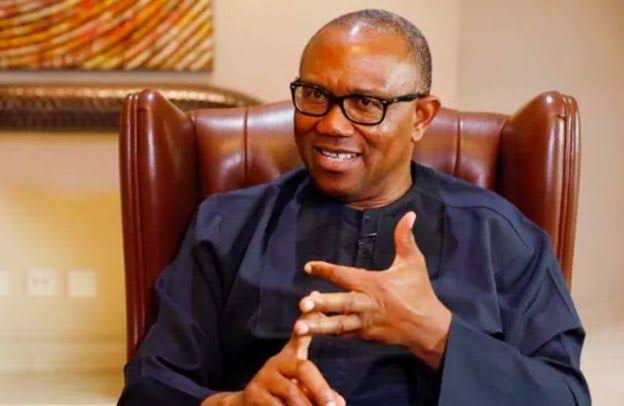
Peter Obi
Former Governor of Anambra State
Citing reports that Nigeria’s football authorities have received about $25 million from FIFA and the Confederation of African Football (CAF) since 2013 for the development of football infrastructure, Obi lamented that there is “little or nothing to show for it.”
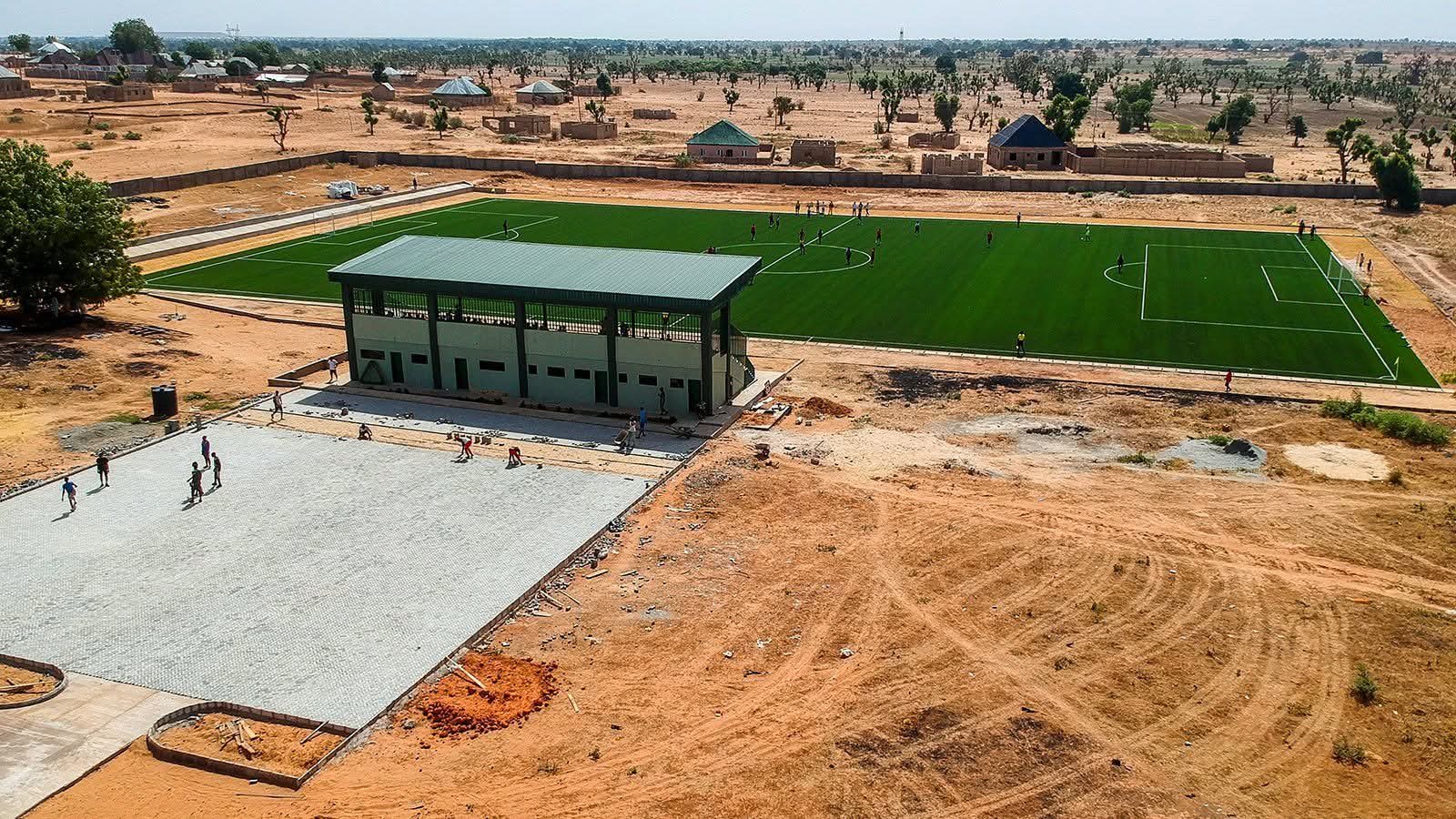
He specifically referenced the so-called $1.2 million stadium in Kebbi State, which he described as a “national embarrassment,” claiming the facility’s standard falls far below the purported cost.
“The structure in no way reflects the funds claimed to have been spent on it,” he said. “We cannot continue to watch our sports decline while corruption flourishes.”
Obi also criticized those who accuse reformers of “demarketing Nigeria” by exposing corruption.
“Those who accuse us of demarketing Nigeria for speaking the truth and exposing corruption are the very ones who thrive on corruption and deceit. The real demarketers of Nigeria are the incompetent leaders who have forged their way to wealth through the mismanagement and theft of public funds,” he asserted.
In a sharp rebuke of Nigeria’s political and administrative elite, Obi lamented that the same leaders who have robbed young people of opportunities are now quick to stigmatize them.
“Our youths are our most prized assets, yet we have destroyed their future and then turned around to label them ‘Yahoo boys,’ when, in truth, the leaders who have robbed them of their future are the real ‘Yahoo’ of our nation,” he wrote.
Calling for a new moral foundation built on integrity, transparency, and accountability, Obi maintained that meaningful national progress is impossible without ethical leadership.
“If we truly desire to rebuild our country, we must begin with integrity and accountability in every aspect and sector. Until then, our nation will continue to crawl where it should be soaring,” he warned, signing off with his familiar refrain: “A New Nigeria is POssible.”
FIFA’s latest audit reportedly uncovered discrepancies in the utilization of funds meant for football infrastructure and youth development in Nigeria, sparking renewed calls for transparency and reform within the NFF. The global football body has since directed stricter compliance measures for future disbursements.
Observers say Obi’s intervention adds moral weight to the debate on corruption in sports, an area many believe has long suffered from poor governance and lack of accountability, despite its enormous potential to unite the country and empower young Nigerians.