
The Latin phrase “Facta, non verba” which formed the topic of this piece, literally translates to “Deeds, not words.” It is a classical maxim rooted in the moral philosophy and rhetorical traditions of ancient Rome, where virtue was often measured not by eloquent promises but by tangible actions and civic responsibility.
Historically, the phrase emerged from Roman statesmen and military leaders who believed that credibility was earned through performance rather than proclamations.
In our sociopolitically, it is often invoked in political discourse to distinguish transformational leadership from populist grandstanding. In grassroots politics, it also serves as a moral benchmark for evaluating office holders and institutions.
This is because the electorate increasingly demands evidence-based governance rather than politically charged rhetoric, in which promises are common, and execution is rare.
Across generations, leaders announce projects with conviction, yet many never move beyond speeches and ceremonial flag-offs. But every once in a while, a project escapes the graveyard of political intentions and becomes concrete reality. The story of the Ukwu Akpu — Ozo Ji Obollo Afor Market Link Road belongs in that category.
For decades, nearly nine past Chairmen of Udenu Local Government Council conceived plans to construct the strategic Uzo Ukwu Akpu. They all understood its economic value. The importance of the road could hardly be overstated. It is one of the vital arteries sustaining commercial activities in Obollo Afor, the economic nerve centre of Udenu.
Among the former Chairmen, Dr. Ignatius Eze appeared particularly determined. After assuming office in January 2008, he pursued the project with unusual pragmatism. As the dry season of 2009 approached, negotiations with construction firms had advanced considerably. By December that year, agreements had reportedly been reached and construction equipment moved to site. Traders and residents celebrated. Hope rose across the market community.
Yet the project never materialized.
The prevailing belief was that political developments at the time became unstable, making the project unsustainable. Successive administrations also desired to undertake the project during their respective tenures, but none succeeded in bringing it to completion.
Everyone understood what was at stake. The road was not just another rural access route. It was a commercial lifeline. It connected traders, transporters, artisans, and buyers within one of the busiest economic hubs in Enugu North Zone.
This was why attempts by some individuals to stir controversy over the alleged misrepresentation of the actual length of the road failed to gain traction among the people. Ndi Udenu were less concerned about measurements and more concerned about results. To them, the greater significance was that, after more than four decades of abandonment, someone outside the circle of establishment politicians finally stepped forward to execute the project.
That individual is Aka Eze Aka.
A clearer picture of the project’s complexity emerged on Tuesday, October 29, 2024, during the official flag-off ceremony. On that day, the Chairman led market leaders, stakeholders, and contractors on a physical inspection of the entire stretch of the road.
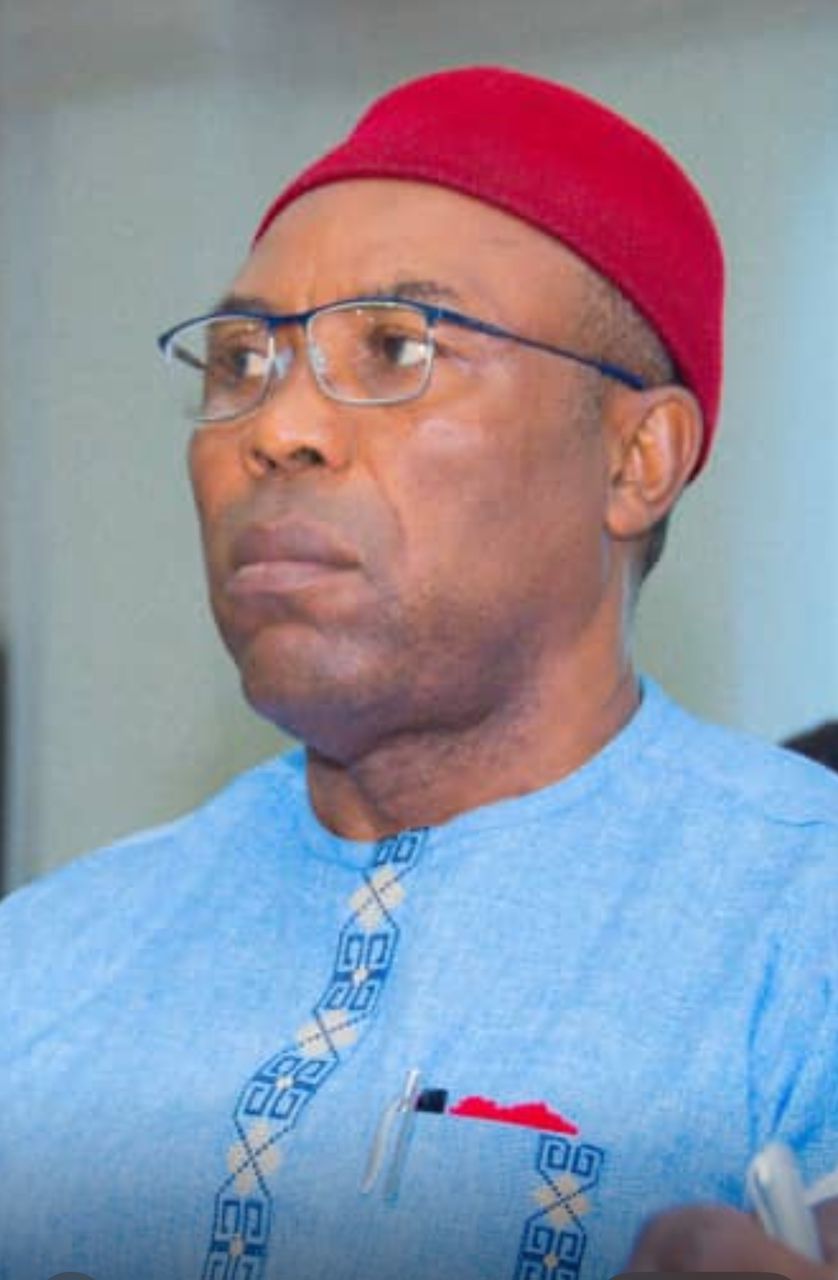
Aka Eze Aka,
Chairman, Udenu Local Government Council
As the team moved forward, I quietly lagged behind, observing the mood of the people in my capacity as Media Assistant. Communication in government is reciprocal. Beyond projecting the vision of the Chairman to the public, there is also a duty to return the people’s honest feelings back to him for effective governance.
The conversations I overheard that day were revealing.
Some market women and artisans spoke in subdued voices, weighed down by years of disappointment.
“This one just resumed,” one woman murmured. “He will soon abandon it like the others.”
Another added in Pidgin English, “Na today? Every new Chairman dey promise. Na so e dey end.”
The skepticism was understandable. The people had seen too many abandoned hopes attached to this same road.
Still, there was reason for confidence. Those close to the Aka, understood the depth of his commitment. He was determined to leave Udenu better than he met it. I had personally seen the scale of his development plans and the seriousness attached to them. That was why I wasn’t surprised when he commissioned six borehole projects in six different Wards in one day. So, there was little need to trouble him with the doubts of the crowd on the day of the project flag-off. His resolve already appeared settled.

The Chairman, Aka Eze Aka with the Councilor representing Obollo Afor Ward, Dr. Nnamdi Odo during the flag-off of the Ukwu Akpu link road project
Months later, that resolve translated into reality.
Despite delays caused by the initial contractor, the Ukwu Akpu — Obollo Afor Road was completed. The Council eventually engaged two separate construction firms after the first contractor failed to meet contractual specifications. The administration insisted on standards. Compromise was not an option.
The finished work reflected that insistence. The drainage channels were constructed deep enough to manage erosion and flooding. The pavements were carefully brushed and reinforced for durability. During this rainy season, many residents finally understood why previous administrations may have hesitated to embark on the project. The volume and force of floodwater passing through the corridor were intimidating. In some sections, the water pressure was strong enough to threaten the asphalt itself.
To address this challenge, the asphalt thickness was deliberately increased to withstand both flood pressure and the constant movement of heavy-duty trucks transporting goods into the market. These were costly but necessary investments aimed at ensuring durability.
By April 2026, the people of Udenu received a fully tarred, nylon-layered Ukwu Akpu — Ozo Ji Market Link Road.
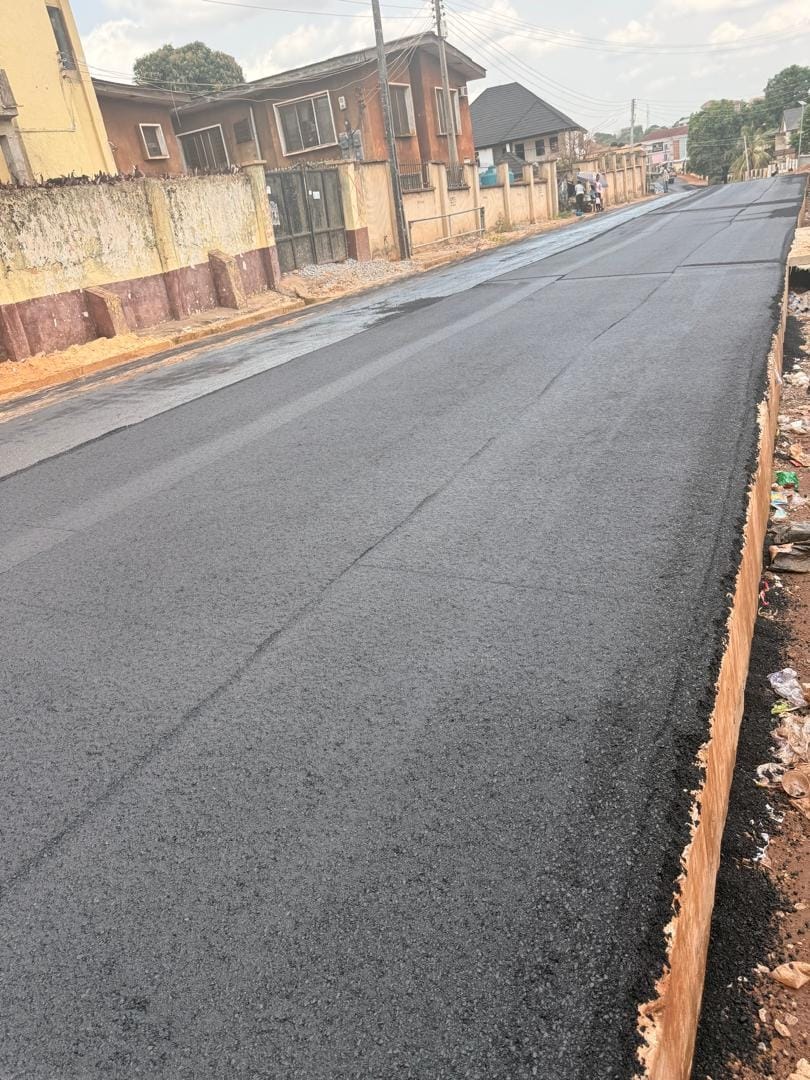
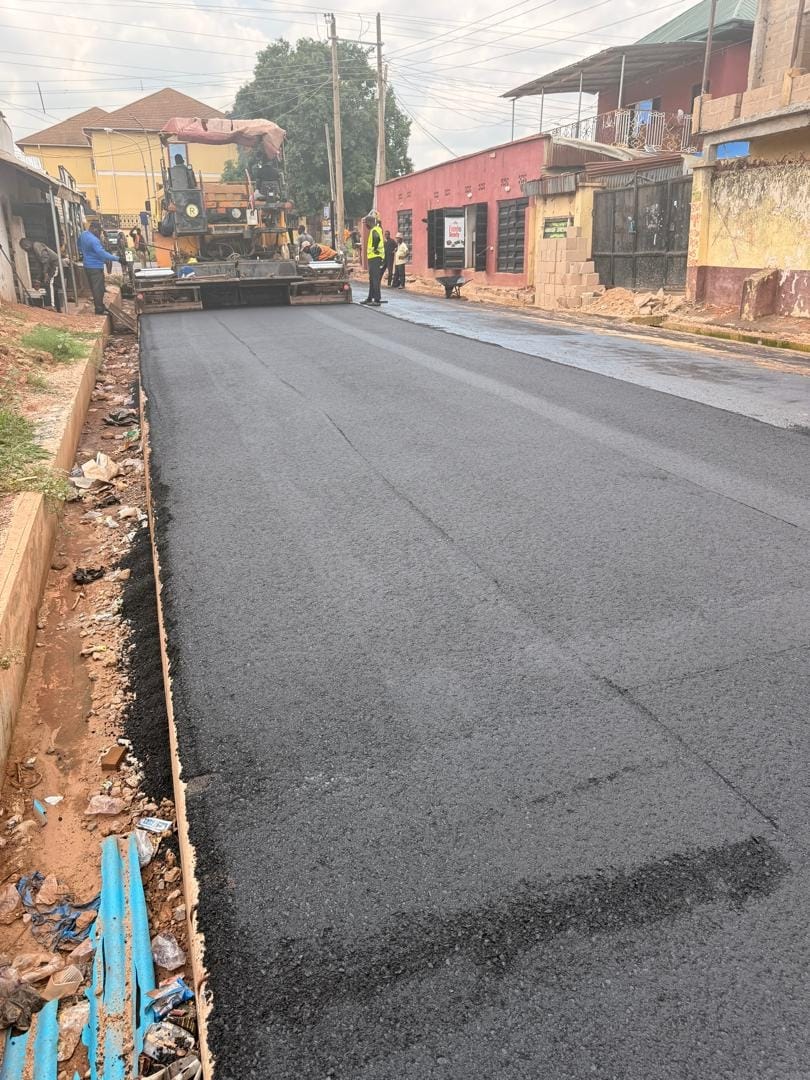
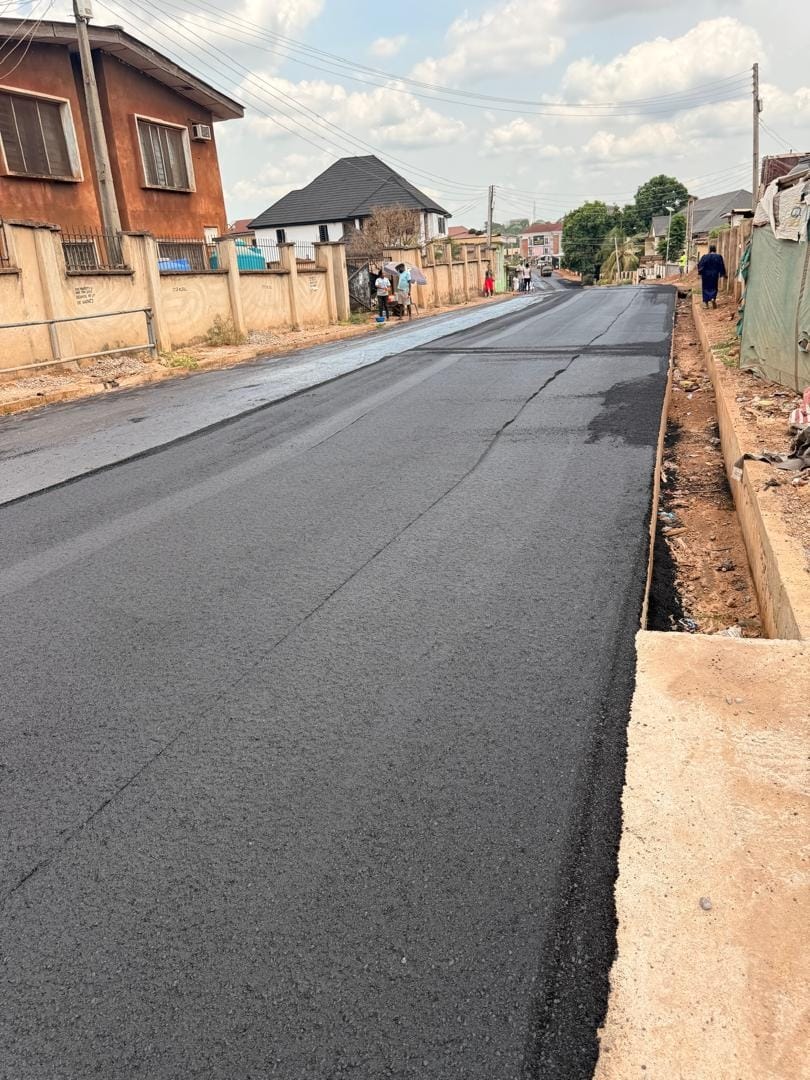
The significance of the project extends beyond Obollo Afor itself. Though geographically situated within the town, the market serves traders and investors from across Udenu and beyond. In fact, many non-indigenes possess substantial commercial stakes in the market. The road therefore serves collective economic interests rather than sectional ones.
Within just one year and seven months in office, Aka Eze Aka delivered a major infrastructure project many had long considered impossible. In doing so, he mirrored the development-driven governance philosophy of Dr. Peter Ndubuisi Mbah at the State level.
The accomplishment brings to mind the words of Jesus Christ: “My Father is always at his work to this very day, and I too am working” (Jn. 5:17)
The government has played its part. The responsibility now shifts to the people. Roads do not fail overnight; they deteriorate gradually through neglect. Residents, traders, shop owners, and road users around that corridor must therefore see the protection of the road as a collective duty. Drainages should be cleared regularly of refuse, debris, sand deposits, and other blockages capable of obstructing the free flow of floodwater. If neglected, such accumulation can weaken the drainage system and ultimately shorten the lifespan of the road. Public infrastructure lasts longer where citizens develop a culture of maintenance alongside government intervention. Development is most sustainable when government commitment is matched by community responsibility.
May daylight spare us!
✍️ Jude Eze.