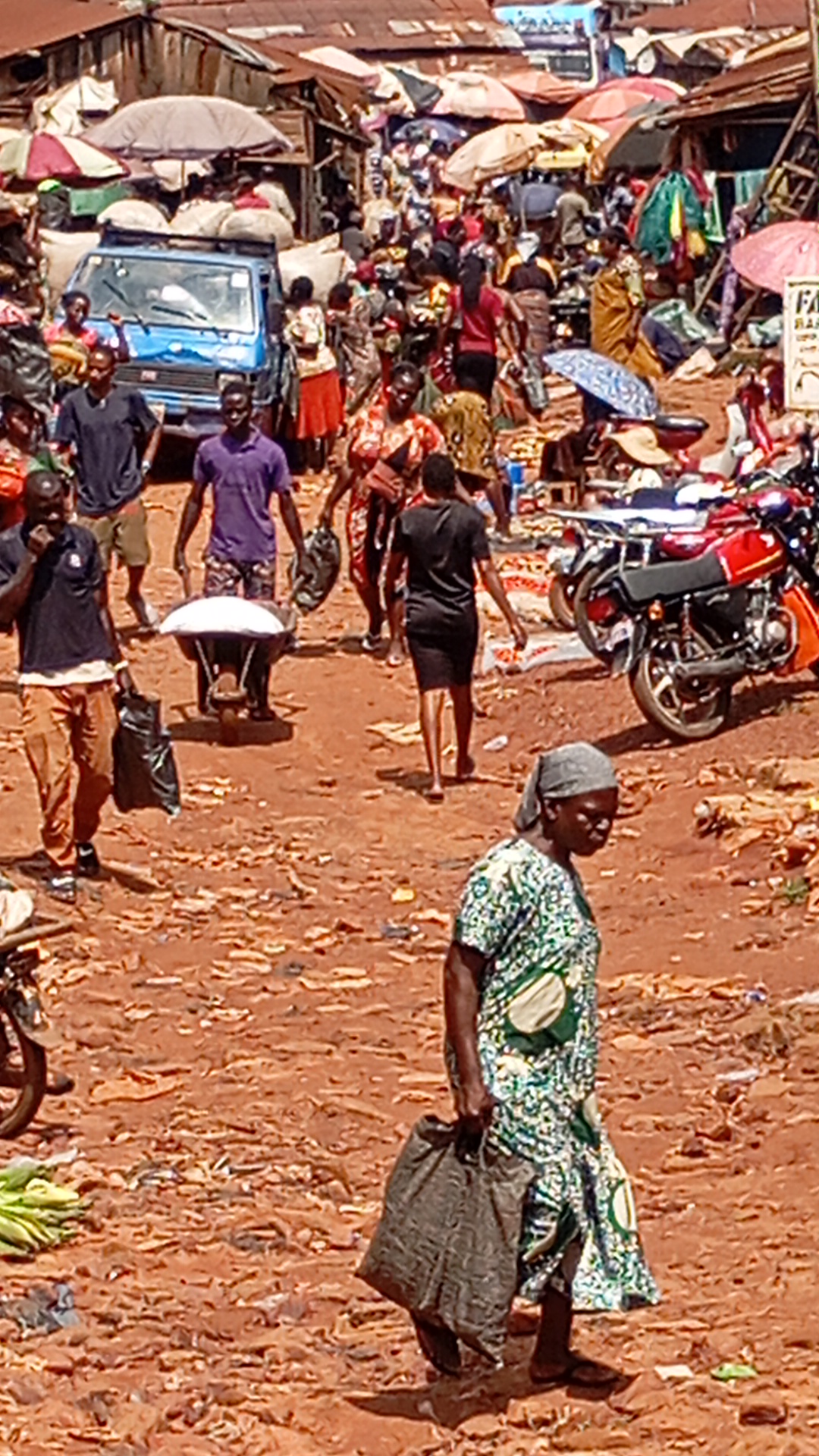
Infrastructure plays a pivotal role in the socioeconomic development of any community, acting as the backbone for trade, transportation, and connectivity. At the heart of Udenu’s aspirations for improved socio-economic conditions lies the proposed reconstruction of the 1.7 km Ozo Ji — Ukwu Akpu Obollo Afor bypass. The road has been a death trap for over two decades, fatally limiting the economy of Obollo Afor. It has sorely been begging for attention overtime.
This crucial link road, connecting the old Oturkpo road to the vibrant Enugu-Makurdi road, is poised to serve as a transformative agent for the local economy and infrastructure within the Obollo Afor community. With its potential to open up the metropolitan commodity market, and alleviate traffic burdens, the successful execution of this project could redefine the economic landscape of the people.
The Obollo Afor commodity market, known locally as Ozo Ji, has long been a beacon of trade for residents and neighboring communities. However, its economic potential remains unrealized due to the challenges associated with accessing the market. The current state of the road leading to this key economic hub limits the flow of goods and customers, disrupting the vibrancy of local trade. Thus its reconstruction could dramatically improve these conditions by providing a smooth, reliable route for commuters and merchants alike.
Once reconstructed, the bypass is expected to facilitate easier access to the Ozo Ji market, particularly for farmers and small business owners who rely on efficient transportation to deliver their goods. Improved road conditions will not only attract more vendors, thereby increasing the volume of goods available in the market but will also boost consumer footfall. Increased competition within the local market can lead to better prices, quality products, and a wider variety of goods for consumers, ultimately benefiting both buyers and sellers.
Another pressing issue faced by the community is the endemic traffic congestion along the New Enugu- Makurdi road, particularly at the Obollo Afor axis. Traffic jams not only frustrate commuters but also impede economic activities by delaying the movement of goods and services. The reconstruction of the bypass is anticipated to significantly alleviate these traffic woes by providing an alternative route for local traffic, thereby reducing congestion on the primary road.
As the volume of travelers utilizing the Makurdi-Enugu road continues to grow, the necessity for effective traffic management becomes increasingly evident. The bypass will serve as a vital artery, channeling local traffic away from congestion hotspots and enabling a more streamlined transportation flow. This improved traffic situation would not only benefit commuters but extend the advantages to businesses that depend on timely deliveries and the quick movement of goods.
The reconstruction project itself would translate into considerable economic opportunities for the local populace. The construction phase will generate temporary jobs, providing employment opportunities for skilled and unskilled laborers within the community. This leak of economic benefits can stimulate local spending, enhance household incomes, and improve living standards even before the road is fully operational.
Moreover, enhanced infrastructure is often a catalyst for economic diversification. As the ease of access to the Ozo Ji market increases, more entrepreneurs might be encouraged to set up shop or expand their businesses in the area. This could lead to a more diverse local economy, reducing reliance on any single sector and contributing towards a more resilient economic future for the region.
The overwhelming support expressed by community members for the reconstruction of this singular road network, particularly during the pre-election zoom meeting hosted by AkaEzeAka Media Team, underscored its significance. The voice of Barr. Ikechukwu Eze, representing the interests of Ndi Obollo Afor during the virtual town hall meeting, still rings a bell, and it highlighted not only the need for improved infrastructure but also the community’s readiness to engage with local leadership on pivotal development initiatives like this road. The active participation of community members in advocating for matters of local importance demonstrates a collective commitment to socioeconomic progress.
The engagement of local stakeholders is crucial, as successful infrastructure projects often require collaboration among government officials, community representatives, and private sector contributors. With Aka Eze Aka expressing intent to reconstruct the road, there exists an opportunity for synergistic partnerships that can amplify the benefits of the project and ensure that it is sustainable throughout its lifecycle.
In conclusion, the anticipated reconstruction of this link road is more than just a local infrastructure project; it is a chance to foster economic growth, enhance connectivity, and improve the quality of life for residents. The time is ripe for both community action and governmental support to ensure that this opportunity does not slip away, but instead propels the community towards a prosperous future.
© AkaEzeAka Media Team