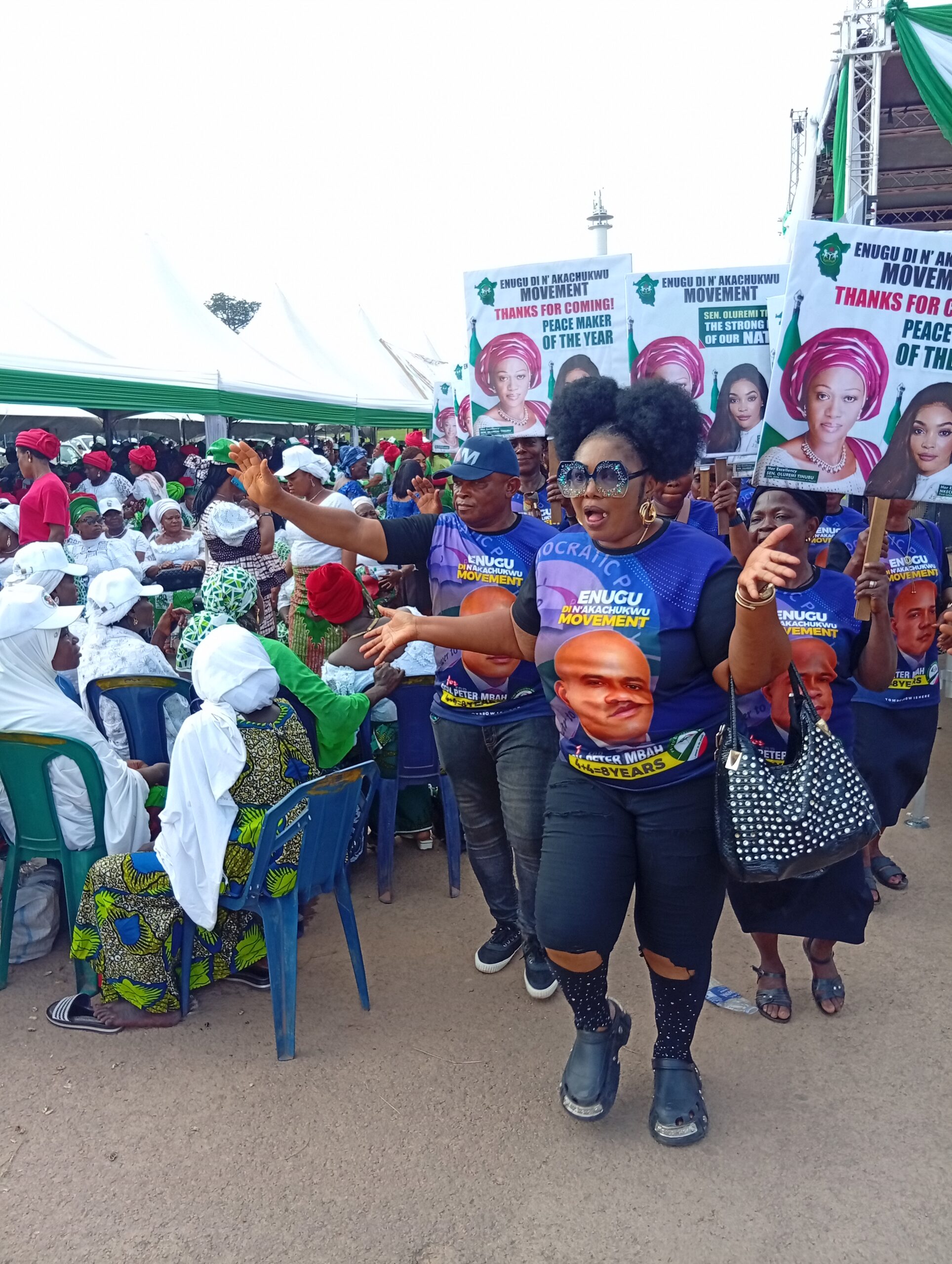
Enugu, the Coal City State, historically characterized by calm political political atmosphere, have had numerous pressure groups and political Movements since the return to democratic rule, in 1999. But only a few distinguished themselves through consistency and purposeful commitment to public service. One such organization that continues to command attention in Enugu State is the Enugu Di N’Aka Chukwu Movement. This is a grassroots mobilization platform whose activities have increasingly defined political engagement and civic participation in the State.
Founded by Hon. Mrs. Bibian Anekwe, a seasoned political mobilizer and philanthropist, the movement has over the years established itself as a dependable vehicle for promoting good governance and democratic values at the grassroots level. With a structure that spans across the 17 Local Government Areas of Enugu State, the group draws strength from its youthful and vibrant membership. These are individuals who share a common vision for progress, equity, and accountability in governance.
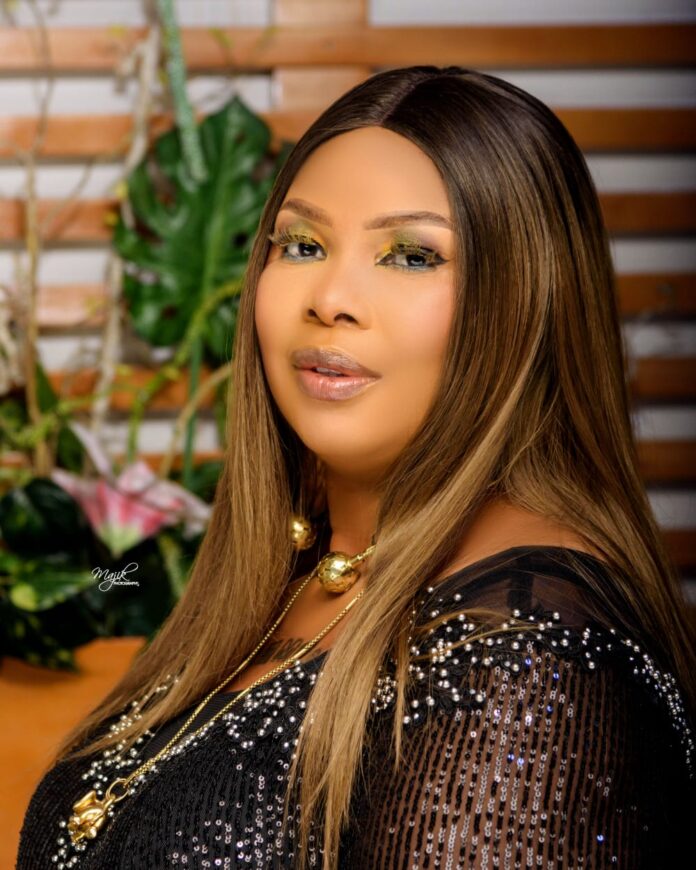
Hon. Mrs. Bibian Anekwe, DG, Enugu Di N’Aka Chukwu Movement
The Movement’s track record speaks for itself. During the administration of former Governor Ifeanyi Ugwuanyi, Enugu Di N’Aka Chukwu was visibly active, lending its voice in support of people-oriented policies while also serving as a conduit for political education and civic awareness. Rather than retreat with the end of one administration, the group evolved and extended its reach into the current government led by His Excellency, Dr. Peter Ndubuisi Mbah.
At the heart of its continued relevance is a philosophy rooted in loyalty, community and visionary leadership. Such values are inherently exemplified by its Founder and Director General, Hon. Mrs. Anekwe. Her efforts in human capital development and charity have not only earned her public admiration but have also galvanized a wide base of followers whose dedication is evident in their consistent presence at major state events.
Today, members of the Movement added color and energy to the ceremonial reception of Her Excellency, Dist. Sen. Oluremi Tinubu, First Lady of the Federal Republic of Nigeria, during her visit to Okpara Square, Enugu. Their presence was equally noted during the high-profile celebrations marking the second anniversary of Governor Peter Mbah’s administration. In both instances, the Movement demonstrated not only organizational capacity but also a commendable sense of civic duty.
Last week they were guests to the Chairman of Igbo Eze South LGA, and Enugu State ALGON vice Chairman, Barr. Ugo Ferdinand Ukwueze; to engage with him and their members from the Area.
What makes this movement particularly significant in today’s political context is its emphasis on grassroots political awareness. At a time when political apathy remains a national concern, especially among the youths, the Enugu Di N’Aka Chukwu serves as a model for how community-driven movements can help bridge the gap between the government and the governed. The Movement’s consistent support for successive administrations without compromising its values is a unique hallmark in Nigeria’s often volatile political culture.
Furthermore, its growing influence underlines the increasing importance of non-partisan or cross-partisan advocacy groups in shaping public opinion and democratic participation. It also brings to the fore, the powerful role that women, especially those with vision and compassion, can play in steering the political direction of Communities and indeed States.
Looking ahead, the sustainability of movements like Enugu Di N’Aka Chukwu depends largely on their ability to remain inclusive, transparent, and responsive to the evolving needs of their Constituencies. There is also the crucial task of grooming future leaders from within its ranks, individuals who can translate grassroots credibility into broader policy impact at both State and (even) national levels.
In all, Enugu Di N’Aka Chukwu Movement has become more than just a political support group. It is a concrete evidence of the power of organized civic engagement and a reflection of what is possible when purpose meets structure in public service.
✍️Jude Eze.